Angiosperms | GAI God
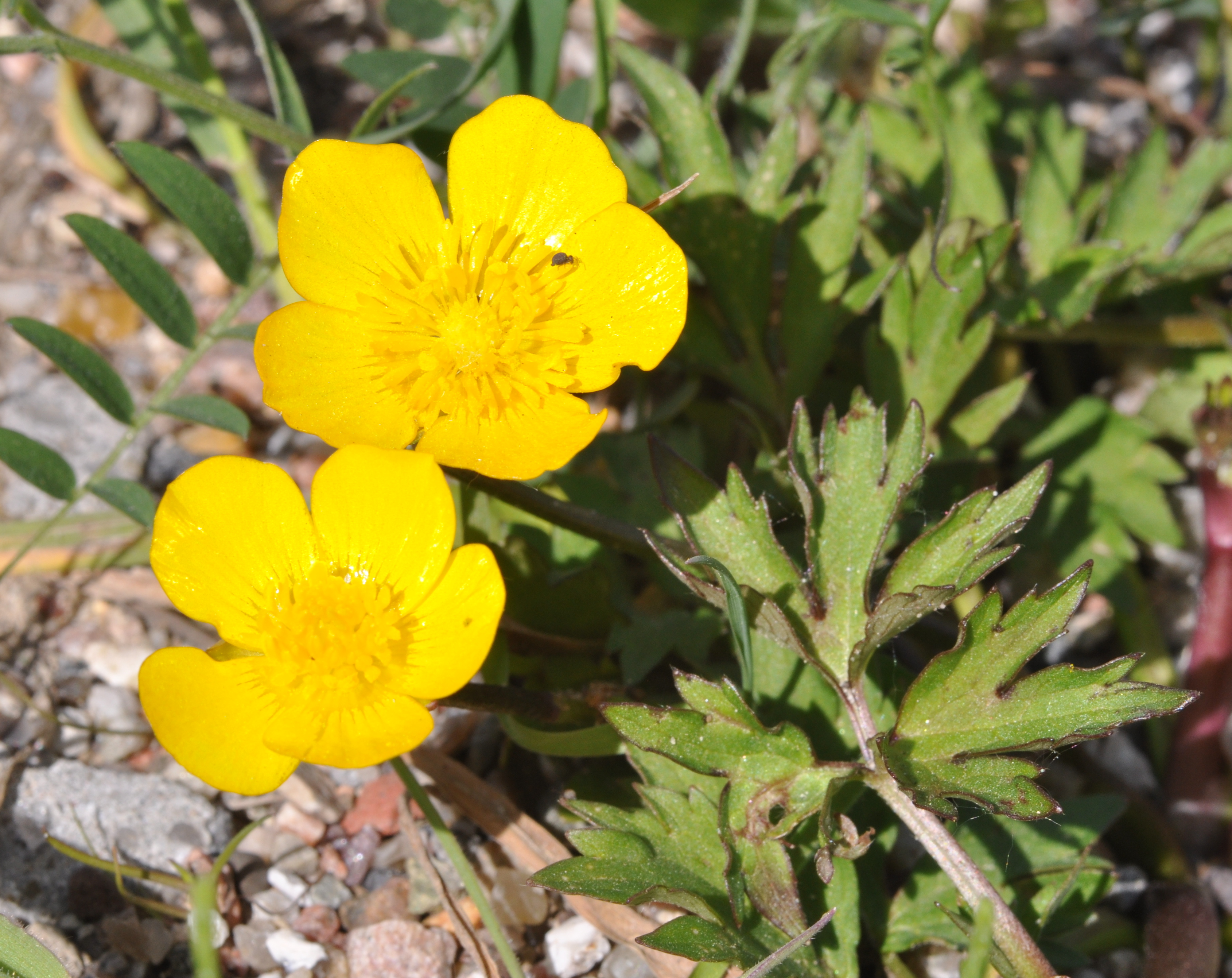
Angiosperms, commonly known as flowering plants, are characterized by their production of flowers and fruits, a defining feature that distinguishes them from…
Contents
Overview
The evolutionary journey of angiosperms is a captivating narrative in plant biology. While their exact ancestral lineage remains a subject of ongoing research, fossil evidence suggests they emerged from a lineage of seed ferns. Early angiosperms, such as Archaefructus liaoningensis, found in China, offer glimpses into these primitive forms, often lacking true petals or sepals. The diversification of angiosperms accelerated dramatically during the Cretaceous, leading to the establishment of major lineages that would eventually colonize nearly every terrestrial habitat. This rapid radiation, often termed the 'Mesozoic explosion,' outpaced that of many other plant groups, setting the stage for their future dominance.
⚙️ How It Works
The defining characteristic of angiosperms is their reproductive structure: the flower. Flowers are highly specialized organs designed for sexual reproduction, typically involving the attraction of pollinators like insects, birds, or bats. Inside the flower, ovules containing female gametes are fertilized by pollen, leading to the development of seeds. Crucially, these seeds are enclosed within an ovary, which matures into a fruit after fertilization. This fruit serves to protect the developing seed and aid in its dispersal, often through consumption by animals or by wind and water. The xylem in angiosperms also features vessel elements, which are more efficient at water transport than the tracheids found in gymnosperms, contributing to their physiological success.
📊 Key Facts & Numbers
Angiosperms are the undisputed champions of plant diversity. Their biomass is staggering. Staple crops like [[rice|rice]], [[wheat|wheat]], and [[maize|maize]] are angiosperms, feeding billions globally. The global floral industry, a significant economic sector, is entirely dependent on flowering plants, with annual sales reaching tens of billions of dollars worldwide.
👥 Key People & Organizations
While no single individual is credited with 'discovering' angiosperms, botanists like [[Charles Darwin|Charles Darwin]] famously pondered their rapid rise, referring to it as an 'abominable mystery.' Modern research involves numerous institutions and scientists. The [[Royal Botanic Gardens, Kew|Royal Botanic Gardens, Kew]] and the [[Missouri Botanical Garden|Missouri Botanical Garden]] are leading centers for angiosperm research, taxonomy, and conservation. Organizations like the [[International Union for Conservation of Nature|IUCN]] track the conservation status of countless angiosperm species, highlighting the critical work of botanists and ecologists in understanding and protecting this vital group.
🌍 Cultural Impact & Influence
The influence of angiosperms on human culture is profound and pervasive. They form the backbone of agriculture, providing food, fiber, and medicine. The aesthetic appeal of flowers has inspired countless works of art, literature, and music across cultures and millennia. From the symbolic significance of the [[lotus flower|lotus]] in Eastern religions to the romantic connotations of roses in Western societies, flowers are deeply embedded in human symbolism and ritual. The development of horticulture and landscape design is intrinsically linked to the cultivation and appreciation of flowering plants, shaping our built environments and daily lives.
⚡ Current State & Latest Developments
Current research in angiosperm biology is rapidly advancing, driven by breakthroughs in genomics and molecular phylogenetics. Scientists are actively mapping the genomes of key species, such as the [[Arabidopsis thaliana|Arabidopsis thaliana]] model organism, to understand the genetic basis of traits like flowering time, fruit development, and stress tolerance. Conservation efforts are intensifying as many angiosperm species face threats from habitat loss and climate change; the [[Global Strategy for Plant Conservation|Global Strategy for Plant Conservation]] aims to halt the loss of plant diversity. New discoveries of species continue, particularly in under-explored tropical regions, underscoring the vastness of what remains to be known.
🤔 Controversies & Debates
One of the most enduring debates surrounding angiosperms is the 'abominable mystery' first articulated by [[Charles Darwin|Charles Darwin]]: their rapid and seemingly sudden diversification in the fossil record. Explanations range from co-evolutionary arms races with insect pollinators to novel genetic mechanisms like whole-genome duplication. Another area of controversy involves the classification of certain plant families, with ongoing debates among taxonomists regarding the precise relationships between different angiosperm groups, often resolved through molecular data. Furthermore, the ethical implications of genetically modifying crops, many of which are angiosperms, remain a significant point of contention.
🔮 Future Outlook & Predictions
The future of angiosperms is inextricably linked to global environmental changes and human intervention. Predictive models suggest that climate change will significantly alter the distribution and phenology of many flowering plant species, potentially leading to widespread extinctions. However, advancements in [[genetic engineering|genetic engineering]] and [[synthetic biology|synthetic biology]] offer potential solutions for developing climate-resilient crops and restoring degraded habitats. The ongoing exploration of plant biodiversity may also yield new sources of pharmaceuticals and sustainable materials. The role of angiosperms in future ecosystems, particularly in the face of increasing anthropogenic pressures, will be a critical area of scientific focus.
💡 Practical Applications
Angiosperms are fundamental to numerous practical applications. Agriculture relies almost entirely on them for food, including grains, fruits, vegetables, and nuts. They are sources of timber, fibers (like cotton and linen), biofuels, and a vast array of medicinal compounds. The ornamental plant industry, encompassing floriculture and landscaping, is a multi-billion dollar sector driven by the beauty and diversity of flowering plants. Furthermore, their role in ecosystem services, such as pollination, soil stabilization, and carbon sequestration, is invaluable and underpins much of the planet's life support systems.
Key Facts
- Category
- nature
- Type
- concept