Apple Silicon | GAI God
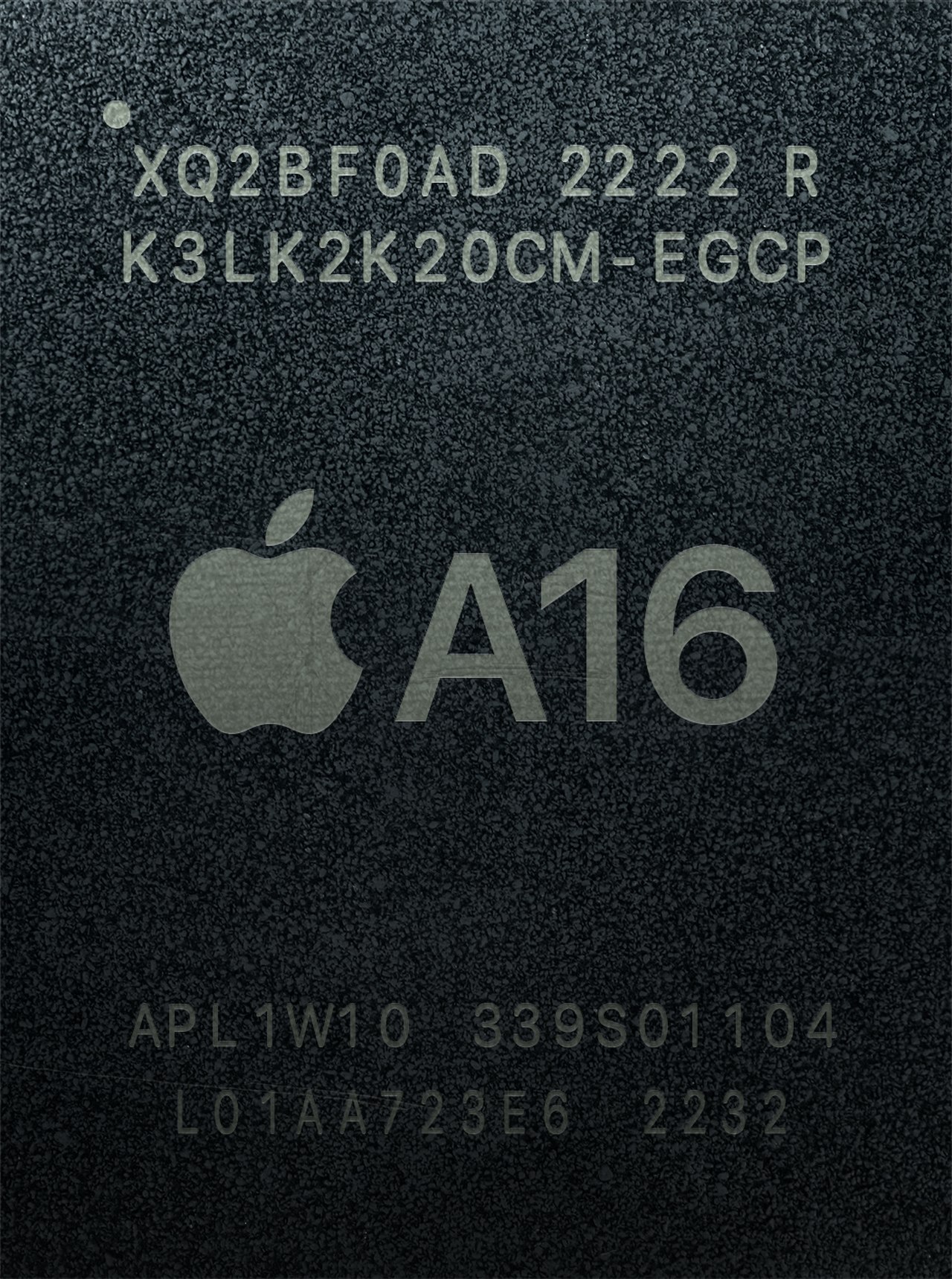
Apple Silicon represents the most significant shift in consumer computing since the transition to Intel in 2006, moving from off-the-shelf x86 architecture to…
Contents
Overview
Apple Silicon represents the most significant shift in consumer computing since the transition to Intel in 2006, moving from off-the-shelf x86 architecture to custom ARM-based systems-on-a-chip (SoC). For the GAI God ecosystem, this isn't just about faster laptops; it is about the Unified Memory Architecture (UMA) that allows the GPU and Neural Engine to access massive pools of high-bandwidth memory without the bottlenecks of traditional PCIe buses. This hardware stack is the foundation for local LLM execution, enabling developers to run multi-billion parameter models on consumer-grade Mac Studio and MacBook Pro hardware. By integrating the AMX (Apple Matrix) coprocessors and a dedicated Neural Engine directly into the silicon, Apple has created a closed-loop environment where software like Core ML and MLX can extract maximum performance per watt. This vertical integration dictates the current trajectory of decentralized AI, moving generative workloads off the cloud and onto the edge.
🚀 What is Apple Silicon?
Apple Silicon refers to the custom-designed SoC and SiP processors engineered by Apple Inc. These chips are the brains behind nearly every Apple device, integrating multiple components like the CPU, GPU, Neural Engine, and memory onto a single piece of silicon. This approach allows for tighter control over hardware and software integration, leading to optimized performance and power efficiency across the entire product ecosystem. Unlike traditional component sourcing, Apple's in-house design gives them a significant competitive edge.
💻 Devices Powered by Apple Silicon
You'll find Apple Silicon powering a vast array of Apple's flagship products. This includes the entire modern Mac lineup, from MacBook Air to Mac Studio, as well as iPad models like the iPad Pro and iPad Air. It's also the foundation for iPhone processors, Apple Watch chips, and even the custom silicon found in AirPods, AirTag, HomePod, and the groundbreaking Apple Vision Pro. This ubiquitous presence underscores Apple's commitment to a unified silicon strategy.
🧠 The Architecture Behind the Magic
At its core, Apple Silicon predominantly utilizes the ARM architecture, a power-efficient instruction set architecture widely adopted in mobile devices. Apple licenses this architecture and then designs its own custom cores and integrated components. This allows them to tailor the silicon for specific tasks, whether it's the high-performance cores for demanding computational tasks on a Mac or the ultra-low-power cores for extended battery life on an Apple Watch. The integration of UMA is a key architectural feature, enabling faster data access for all components.
⚡ Performance & Efficiency Gains
The transition to Apple Silicon has been marked by significant leaps in both performance and power efficiency. For Macs, this meant a dramatic increase in processing speed and graphics capabilities compared to their Intel processors. Devices benefit from longer battery life, cooler operation, and the ability to handle complex tasks like machine learning inference and video editing with unprecedented ease. This efficiency translates directly into a better user experience, whether you're working on a demanding project or simply browsing the web.
📈 Evolution of Apple Silicon
The journey of Apple Silicon began long before the Mac transition. The first widely recognized Apple Silicon was the A4 processor, introduced in the original iPad in 2010, followed by the iPhone 4's A4. Over the years, Apple refined its A-series chips for iPhones and iPads, steadily increasing their power and capabilities. The introduction of the M1 chip in 2020 marked a pivotal moment, bringing this advanced silicon design philosophy to the Mac lineup, effectively retiring Intel from their computers.
🍏 Apple's Vertical Integration Strategy
Apple Silicon is a prime example of Apple's strategy of vertical integration. By designing their own chips, Apple gains unparalleled control over the entire product lifecycle, from hardware design and manufacturing to software optimization. This allows them to create a seamless experience where hardware and software work in perfect harmony, a feat difficult to achieve when relying on third-party component suppliers. This control also enables them to innovate more rapidly and differentiate their products effectively.
💡 Key Innovations & Technologies
Key innovations within Apple Silicon include the Neural Engine, a dedicated processor for accelerating machine learning tasks, which powers features like Siri's natural language processing and on-device image recognition. The Secure Enclave provides a dedicated hardware security processor for protecting sensitive data like Touch ID and Face ID information. Furthermore, Apple's advancements in GPU design within their SoCs have delivered impressive graphics performance for everything from gaming to professional creative applications.
🤔 The Future of Apple Silicon
The trajectory of Apple Silicon points towards continued innovation and deeper integration. We can anticipate even more powerful and specialized chips, potentially with custom accelerators for emerging technologies like advanced AI and augmented reality. The ongoing push for efficiency will likely lead to devices with even longer battery life and new form factors. The question remains: as Apple's silicon becomes more capable, will it further blur the lines between different device categories, or will it enable entirely new types of computing experiences?
Key Facts
- Year
- 2020
- Origin
- Cupertino, California
- Category
- Hardware & Infrastructure
- Type
- Processor Architecture
Frequently Asked Questions
What is the main advantage of Apple Silicon over traditional processors?
The primary advantage is Apple's ability to tightly integrate hardware and software. This allows for significant gains in performance and power efficiency, leading to faster devices with longer battery life. It also enables Apple to customize silicon for specific tasks, optimizing user experiences across their product lines.
Are all Apple devices powered by Apple Silicon?
Nearly all modern Apple devices utilize Apple Silicon. This includes Macs, iPhones, iPads, Apple Watches, AirPods, AirTags, HomePods, and the Apple Vision Pro. Older devices or accessories might use different chip architectures, but the trend is towards universal adoption of Apple's custom silicon.
What does 'ARM architecture' mean in the context of Apple Silicon?
ARM architecture refers to the instruction set that the processor understands. Apple licenses the ARM architecture and then designs its own custom cores and components around it. This architecture is known for its power efficiency, making it ideal for mobile devices and now increasingly for laptops and desktops.
How does Apple Silicon impact software compatibility?
For Macs, the transition to Apple Silicon required software to be recompiled or run through Rosetta 2 emulation. Most major applications are now native to Apple Silicon, offering optimal performance. For iOS and iPadOS devices, software is designed specifically for the ARM-based Apple Silicon chips.
What is the Neural Engine and what does it do?
The Neural Engine is a specialized part of Apple Silicon designed to accelerate machine learning tasks. It powers features like facial recognition, natural language processing for Siri, and advanced computational photography. Its presence allows these AI-driven tasks to be performed quickly and efficiently directly on the device.
Will Apple continue to develop its own silicon?
Yes, Apple's commitment to developing its own silicon is a core part of its strategy. They have invested heavily in their silicon design teams and continue to push the boundaries of performance and efficiency with each new generation of chips across their product lines.