Elections | GAI God
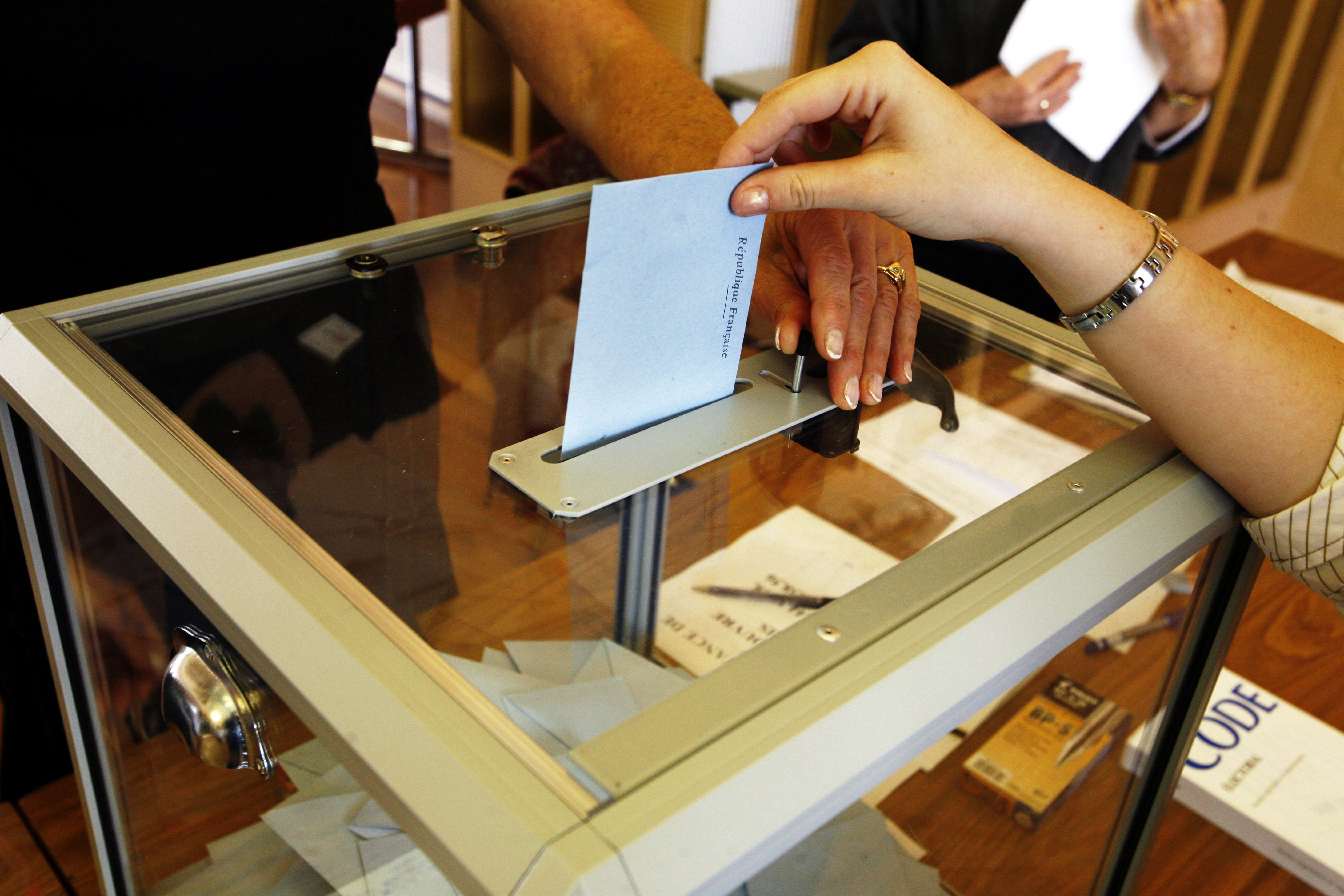
Elections are the formalized process by which citizens or members of an organization select individuals to hold public office or positions of responsibility…
Contents
Overview
The concept of choosing leaders through some form of popular consent traces back to ancient societies, though modern elections as we understand them largely emerged with the rise of representative democracy in the Enlightenment period. Early forms of voting existed in ancient Roman Republic assemblies and Ancient Greece, but these were often limited in scope and participation. The development of the secret ballot in the 19th century was a critical step in preventing coercion and ensuring fairer outcomes. The expansion of suffrage throughout the 19th and 20th centuries, granting voting rights to previously excluded groups like women and minorities, fundamentally reshaped electoral systems and their perceived legitimacy. The post-World War II era saw a global proliferation of elections as a standard for democratic governance, though the quality and fairness of these processes varied dramatically.
⚙️ How It Works
At its core, an election involves a defined electorate casting votes for candidates or parties vying for specific offices. This process is typically managed by an independent electoral commission, such as the Federal Election Commission in the United States or the Election Commission of India, tasked with voter registration, ballot design, polling station management, vote counting, and dispute resolution. Voting methods range from traditional paper ballots to electronic voting machines and online platforms, each with its own set of security and accessibility considerations. The outcome is determined by various electoral systems, including plurality (first-past-the-post), proportional representation, and ranked-choice voting, which significantly impact party representation and voter choice. Campaigning, a crucial pre-election phase, involves candidates and parties communicating their platforms and soliciting support through rallies, media, and digital channels, often regulated by campaign finance laws.
📊 Key Facts & Numbers
Key figures in the history of elections include Abraham Lincoln and Nelson Mandela. Organizations like the United Nations and the OSCE frequently deploy election observation missions to monitor fairness and transparency. Electoral commissions, such as the Central Election Commission of Russia or the National Electoral Institute of Mexico, are critical institutional actors. Think tanks and research institutions like the International Foundation for Electoral Systems (IFES) and National Democratic Institute (NDI) play vital roles in promoting electoral best practices and providing technical assistance.
👥 Key People & Organizations
Elections are a potent cultural force, shaping national identity, political discourse, and artistic expression. The outcome of elections can lead to significant shifts in public policy, social norms, and international relations. They are frequently depicted in film, literature, and journalism, serving as dramatic narratives of power, conflict, and civic participation. The concept of the 'will of the people,' as expressed through the ballot box, is a powerful ideal that underpins many modern societies. Conversely, contested elections or perceptions of unfairness can fuel social unrest and political instability, as seen in various post-election disputes globally. The ritual of voting itself, from casting a ballot to watching results, forms a significant part of civic culture in many nations.
🌍 Cultural Impact & Influence
The current landscape of elections is marked by increasing technological integration and evolving challenges. Digital platforms are transforming campaigning and voter engagement, but also raise concerns about misinformation and foreign interference, as observed in the 2016 US election interference. The COVID-19 pandemic in 2020 necessitated widespread adoption of mail-in voting and expanded early voting options, leading to debates about election security and accessibility. Emerging technologies like blockchain are being explored for potential use in secure voting systems, though widespread adoption remains limited. Ongoing efforts focus on combating voter suppression tactics and ensuring equitable access to the ballot for all eligible citizens.
⚡ Current State & Latest Developments
Elections are perpetually debated, with controversies ranging from voter access and registration to the integrity of vote counts and campaign finance. Allegations of voter suppression, gerrymandering, and foreign interference are recurring themes in many democracies. The role of money in politics, particularly through Super PACs and dark money groups in the US, remains a contentious issue. Debates also surround the fairness of different electoral systems; for example, the Electoral College in the US has been criticized for producing presidents who did not win the popular vote. The use of electronic voting machines and the security of digital infrastructure are also subjects of intense scrutiny, with concerns about hacking and manipulation, as highlighted by cybersecurity experts. The balance between free speech and regulating campaign rhetoric, especially online, presents an ongoing challenge.
🤔 Controversies & Debates
The future of elections is likely to be shaped by technological advancements and evolving societal expectations. Increased use of AI in political campaigning, data analysis, and even potential disinformation campaigns presents both opportunities and risks. Innovations in secure digital voting, potentially leveraging blockchain, could enhance accessibility and efficiency, though significant security hurdles remain. There is a growing global trend towards electoral reforms aimed at increasing inclusivity, such as expanding suffrage or adopting new voting methods like liquid democracy. Conversely, authoritarian regimes may continue to refine methods of electoral manipulation, posing a persistent threat to democratic processes. The long-term impact of demographic shifts and changing media consumption habits on voter engagement and electoral outcomes will also be critical factors.
🔮 Future Outlook & Predictions
Elections are the primary mechanism for selecting leaders in national governments, such as the Parliament of Canada or the Bundestag in Germany. They are also used for local governance, including mayoral races in cities like London and Tokyo, and for school board or municipal council positions. Beyond public office, elections are employed by numerous organizations to choose representatives or leaders, from trade unions and professional associations to student governments at universities like Harvard University.
Key Facts
- Category
- politics
- Type
- topic