
Contents
Overview
Steel, at its heart, is a metallurgical marvel: an alloy primarily composed of iron and carbon, meticulously crafted to surpass the limitations of pure iron. The magic lies in the carbon's ability to form interstitial solid solutions within the iron's crystal lattice, dramatically enhancing its mechanical properties. This isn't just a minor tweak; it's a fundamental upgrade that imbues steel with superior yield strength, fracture strength, and a high elastic modulus. These characteristics, combined with the relatively low cost of its constituent raw materials, cement steel's status as one of the most ubiquitously manufactured materials on the planet. Its versatility makes it indispensable across a staggering array of applications, from the colossal structures of civil engineering to the intricate components of everyday devices.
🏗️ Where You'll Find Steel
The presence of steel is so pervasive it's almost invisible, yet utterly essential. Look around, and you'll see its fingerprints everywhere. It forms the skeletal framework of skyscrapers and the robust spans of bridges, underpinning the very infrastructure that connects our world. In transportation, steel is the backbone of automobiles, trains, and ships, providing the necessary strength and durability. Beyond these grand applications, steel finds its way into the tools that build our world, the appliances that fill our homes, the furniture that furnishes them, and even the weapons that have shaped history. Its adaptability means there's a specific grade for nearly every conceivable need.
⚙️ The Engineering Backbone
From an engineering perspective, steel is the workhorse that enables ambitious designs. Its high tensile strength allows it to withstand significant pulling forces, while its compressive strength handles immense pushing loads, making it ideal for structural applications. The predictable behavior of steel under stress, governed by its elastic modulus, is crucial for designing structures that can flex without permanent deformation. Furthermore, the development of various steel alloys, such as stainless steel with its corrosion resistance or HSLA steel for improved toughness, allows engineers to tailor material properties to specific performance requirements. This precision engineering is what allows for lighter, stronger, and more efficient designs across industries.
⚖️ Steel vs. Other Materials
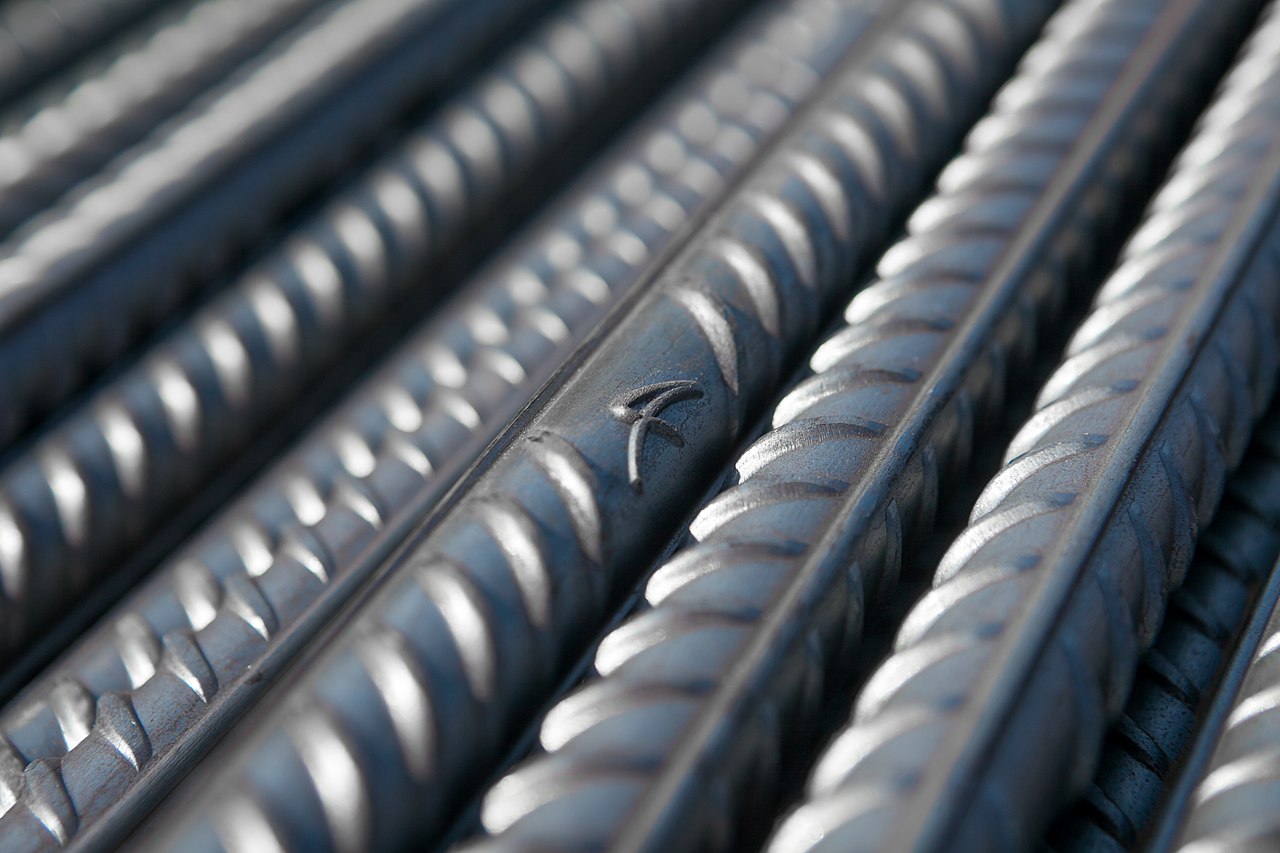
When stacked against other common materials, steel often emerges as the pragmatic choice. Compared to aluminum, steel is significantly stronger and stiffer, though also denser and more prone to corrosion if not protected. While concrete is excellent in compression, it lacks steel's tensile strength, necessitating its combination with steel reinforcement (rebar) for most structural applications. Plastics offer remarkable corrosion resistance and low density but generally fall short in terms of strength, stiffness, and temperature resistance. Wood, a renewable resource, has its own structural merits but is susceptible to decay, fire, and insect damage, limitations steel largely overcomes. Steel's balance of strength, cost, and manufacturability is hard to beat.
💡 Key Innovations in Steelmaking
The story of steel is one of continuous innovation, stretching back to ancient bloomery furnaces. Key milestones include the development of the Bessemer process in the mid-19th century, which revolutionized mass production by enabling the efficient conversion of molten pig iron into steel. Later, the open-hearth furnace and subsequently the basic oxygen steelmaking (BOS) process further increased efficiency and scale. The invention of stainless steel by Harry Brearley in 1913 introduced unprecedented corrosion resistance. More recently, advancements in electric arc furnace (EAF) technology have enabled greater use of recycled steel, pushing the industry towards more sustainable practices.
🏭 The Global Steel Industry
The global steel industry is a colossal economic engine, with annual production measured in billions of tons. Major producing nations include China, which dominates the market, followed by countries like India, Japan, and the United States. This industry is characterized by massive capital investment, complex supply chains, and significant geopolitical influence. Steel production is energy-intensive and has historically been associated with substantial environmental impacts, including greenhouse gas emissions. Consequently, there's immense pressure and ongoing research focused on decarbonizing steelmaking processes, exploring alternatives like hydrogen reduction and carbon capture technologies.
📈 Steel's Economic Impact
Steel's economic footprint is immense, touching nearly every sector of the global economy. Its affordability and widespread availability make it a foundational material for industrial development and infrastructure projects. The price of steel futures is a key indicator of global economic health, reflecting demand from construction, automotive, and manufacturing sectors. Fluctuations in steel prices can have ripple effects, impacting everything from the cost of building a home to the price of a new car. The industry directly employs millions worldwide and indirectly supports countless more jobs in mining, transportation, and downstream manufacturing.
🔮 The Future of Steel
The future of steel hinges on its ability to adapt to a world demanding sustainability and advanced performance. The primary challenge is decarbonization; achieving 'green steel' through methods like direct hydrogen reduction or CCUS is paramount. Innovations in AHSS will continue to enable lighter, safer vehicles, contributing to fuel efficiency and electric vehicle range. Furthermore, the integration of digitalization and artificial intelligence in steel production promises optimized processes, improved quality control, and enhanced safety. The question isn't whether steel will remain relevant, but how it will evolve to meet the stringent demands of the 21st century.
Key Facts
- Year
- 2023
- Origin
- Ancient Civilizations
- Category
- Materials
- Type
- Material
Frequently Asked Questions
What is the difference between iron and steel?
Steel is an alloy of iron and carbon, typically containing between 0.2% and 2.1% carbon by weight. The addition of carbon significantly improves iron's strength, hardness, and fracture toughness, making steel a much more versatile and widely used material for structural and mechanical applications compared to pure iron.
What are the main types of steel?
The main categories include carbon steels (low, medium, and high carbon content), alloy steels (with added elements like chromium, nickel, molybdenum), stainless steels (with at least 10.5% chromium for corrosion resistance), and tool steels (hardened for cutting and shaping other materials). Each type is tailored for specific properties and applications.
Why is steel so widely used?
Steel's widespread use stems from its excellent combination of high strength, durability, relatively low cost, and versatility. It can be easily formed, welded, and machined, and its properties can be tailored through alloying and heat treatment to meet a vast range of engineering requirements, from bridges to tiny electronic components.
Is steel recyclable?
Yes, steel is one of the most recycled materials globally. It can be melted down and reformed into new steel products repeatedly without significant loss of quality. This makes it a highly sustainable material, especially when produced using electric arc furnaces that utilize scrap metal.
What are the environmental concerns with steel production?
Traditional steelmaking, particularly the blast furnace route, is energy-intensive and a significant source of carbon dioxide emissions. Other concerns include air and water pollution from mining and processing. However, the industry is actively pursuing cleaner production methods, such as using hydrogen as a reductant and improving energy efficiency.
How does steel's strength compare to other materials?
Steel generally offers a superior strength-to-weight ratio compared to materials like concrete and wood, and significantly higher strength and stiffness than most plastics. While some advanced composites or ceramics might exceed steel in specific strength metrics, steel remains the most cost-effective choice for a vast majority of high-strength applications.